Rachel Martin
Senior Global Sustainability Director, ElsevierThe Netherlands


Digital publishing has unlocked unprecedented global access to knowledge, but it also carries an environmental cost. From the energy demands of cloud infrastructure to the intensive computing power behind AI-driven tools, online publishing is shaping a carbon footprint for research and scholarly communication. This webinar, From Cloud to Carbon: Understanding the Footprint of Digital Knowledge, brought together experts from publishing and sustainability, to explore how the industry can measure, understand, and reduce its digital climate impact. Participants gained insights into the latest on carbon emissions from digital platforms and discover STM’s new digital journal carbon calculator and gain initial insights around future impacts of cloud and AI. Designed for academic publishers, editors, and industry stakeholders, the session highlighted both the challenges and the opportunities of building a more sustainable digital future for publishing.
This webinar was brought to you by members of the EASE Environment and Sustainability Committee in partnership with the STM Social Responsibility Committee, led by Rachel Martin from Elsevier.
This webinar was free and open to all. You are welcome to share the recording link in your networks.



Carbon Reduction Lead , ElsevierUnited Kingdom
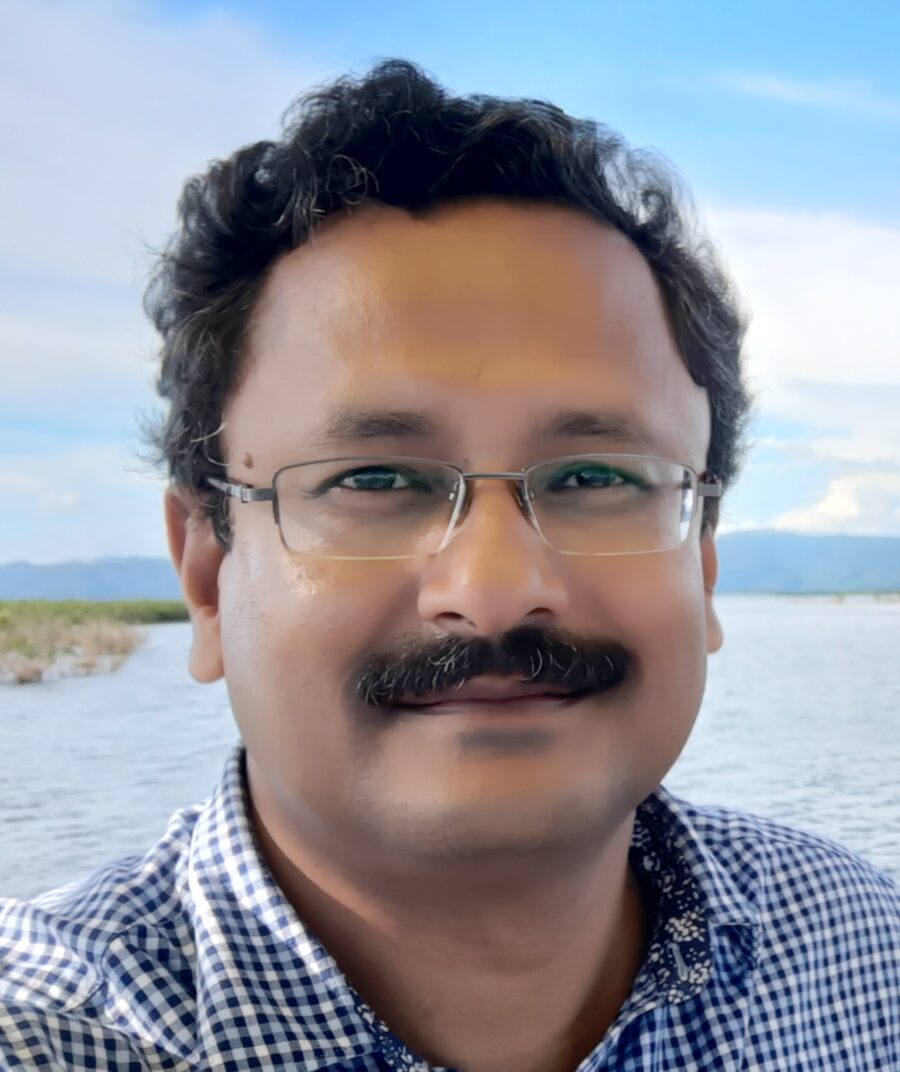
Independent ConsultantBangladesh
Dr. Haseeb Md. Irfanullah, is a biologist-turned-development facilitator, who often introduces himself as a research enthusiast. Active as a consultant and a volunteer in environment, climate change, and research system, he advocates for evidence-guided policy and practice change for effective conservation and resilience building efforts.