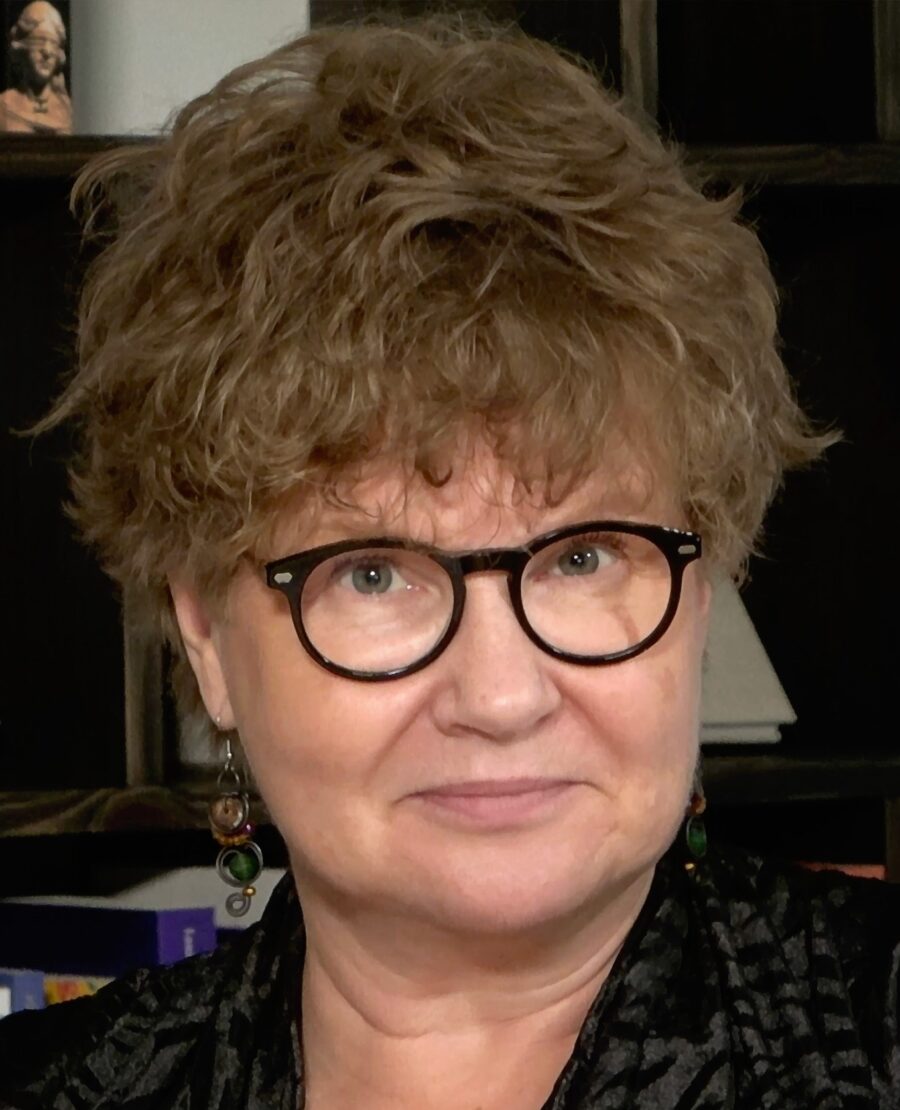
Pauliina Raento
Director, Finnish Association for Scholarly PublishingFinland
Small non-profit publishers and their editors feel the increased pressures caused by toughening competition in academia, where one must publish or perish and where there is less time for everything. The observed deterioration of quality in submitted manuscripts adds to the need to make sure the research and its presentation are reliable. In the Nordic countries, at least, these concerns are highlighted in the context of economic and other resource troubles in scholarly publishing.
The session opened with an overview of the challenging circumstances. The discussion then proceeded to examine their influence on day-to-day editorial work and to review concrete aids and innovations. The solution-oriented approach addressed ways to ensure quality of information and publication standards in the age of misinformation and artificial intelligence. Special attention is paid to cultural and linguistic variation: by way of example, small national language environments may deepen these challenges, for automated plagiarism detection is often less useful. Accessible tools and creative solutions were offered to help.
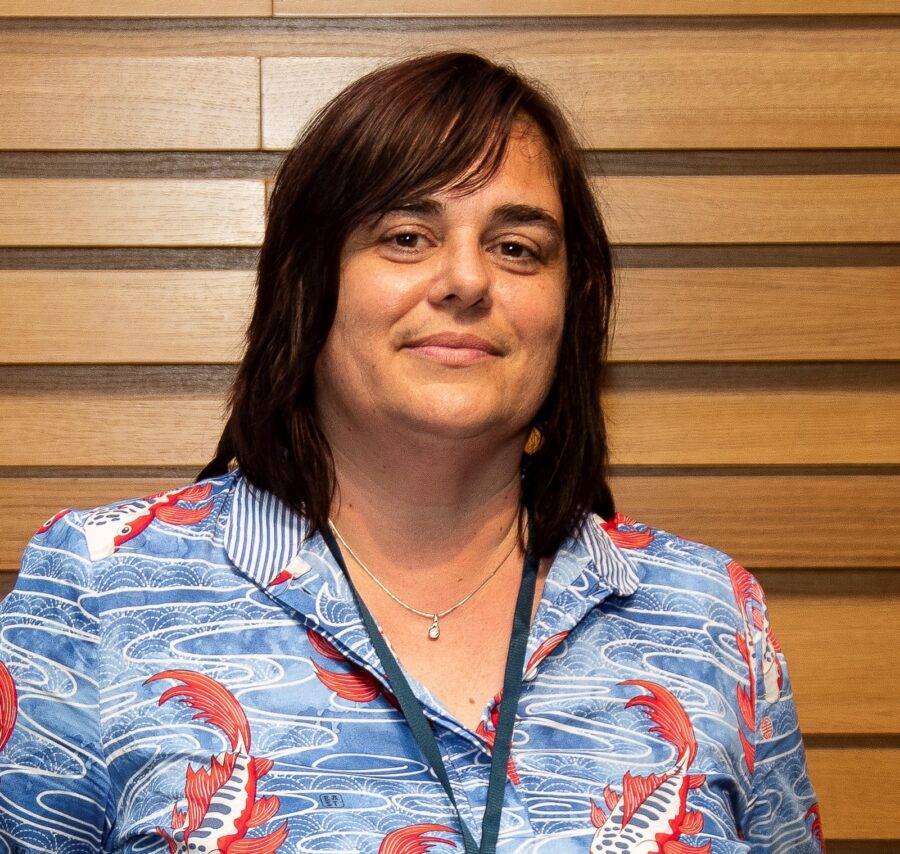
Editor, University of Zagreb Faculty of Food Technology and Biotechnology, Food Technology and Biotechnology journalCroatia
Editor of Food Technology and Biotechnology with over 20 years of experience in scientific publishing. EASE Vice President from 2023-27, Chair of EASE Croatian Regional Chapter, and Co-Chair of Environment and Sustainability Committee. Active in Croatian scientific community as one of the founders and currently the President of Croatian Association for Scholarly Communication (CROASC), member of HRČAK (Portal of Croatian Scientific and Professional Journals) Advisory Board, and Organizing committee member of PUBMET Conference on Scholarly Communication.
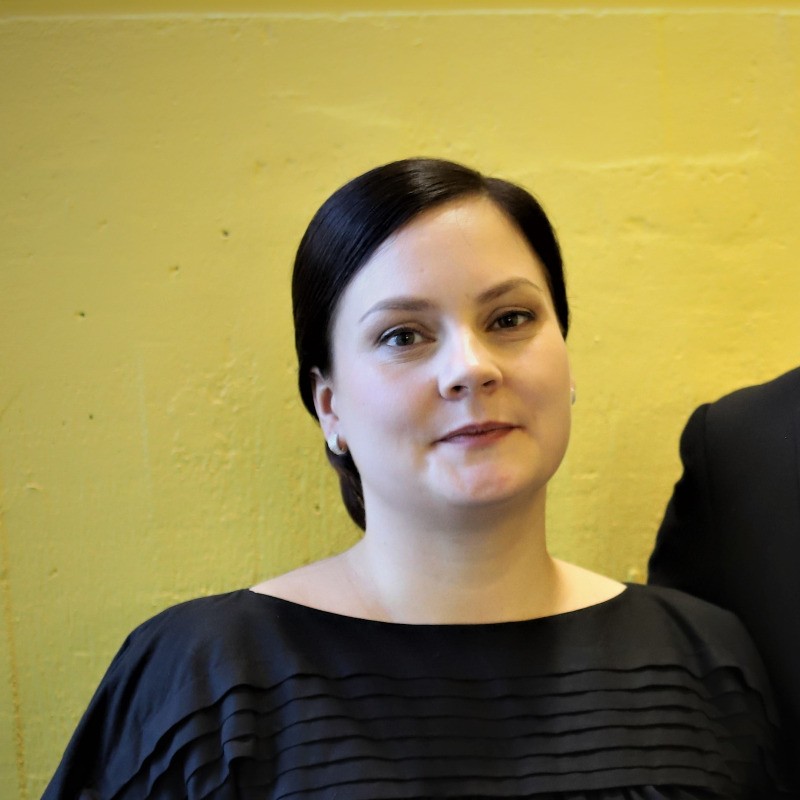
Editor in Chief, Informaatiotutkimus [Information Studies], Post-doctoral research scholar at the University of OuluFinland
