-
 SPIRIT 2025 statement: updated guideline for protocols of randomized trials22 August 2025The SPIRIT 2025 statement updates the original 2013 guidelines to improve the completeness of randomized trial protocols. Through systematic review, expert input, and consensus, the checklist was refined to 34 key items, including new sections on open science and patient involvement. The updated guidelines aim to enhance transparency and protocol quality across clinical research.
-
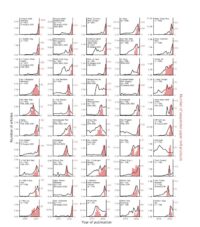 Fraudulent publication growth is outpacing legitimate science5 August 2025A new study published in PNAS illustrates the scale of industrially-produced research papers from 'paper mills'.
-
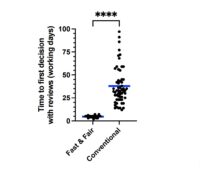 A step towards feasible payments for reviewers?1 April 2025A pilot study testing the feasibility of rapid, high-quality, fee-based peer review.
-
 Linking citation and retraction data reveals the demographics of scientific retractions among highly cited authors24 February 2025Retractions in scientific publishing are complex, often driven by misconduct or emerging issues like papermills, but they can also result from non-ethical reasons or responsible authors correcting honest errors.
-
 Discrepancies in reported results between trial registries and journal articles for AI clinical research24 February 2025The study researches publications and clinical trial registries, including Dimensions.ai, ClinicalTrials.gov, and the EU Clinical Trials Registry, focusing on the application of AI in healthcare.
-
 Jargon and Readability in Plain Language Summaries of Health Research: Cross-Sectional Observational Study24 February 2025The study evaluates the readability and jargon levels of Plain Language Summaries (PLSs) in NIHR National Journals Library reports. Authors find that most are too complex for general audiences: none had readability scores in line with the average reading age of the UK population.
-
 AI-generated images threaten science – here’s how researchers hope to spot them24 February 2025In this article, Diana Kwon discusses the growing issue of AI-generated fraudulent content in scientific literature, particularly the use of generative AI tools to create fake images and data.
-
 The Citation of Retracted Papers and Impact on the Integrity of the Scientific Biomedical Literature24 February 2025The article examines the issue of retracted scientific papers. Retractions occur due to errors, misconduct, or fraud, and have significantly increased over the years, particularly with the rise of unethical paper mills.
-
 Tackling algorithmic bias and promoting transparency in health datasets: the STANDING Together consensus recommendations24 February 2025This paper presents recommendations for the documentation and use of health datasets. The recommendations were developed through a Delphi approach, supplemented by public consultation and international interviews.
-
 Predatory Journals: What Can We Do to Protect Their Prey?24 February 2025This article discusses the growing problem of predatory journals, which misrepresent themselves as legitimate scholarly publications to exploit authors financially while bypassing academic publishing standards such as peer review and transparency.
-
 We Need to Recognise That Peer Review is Central to the ‘Social Contract’ of Academic Citizenship11 February 2025An excellent editorial from Flaminio Squazzoni describing the ‘social contract’ and ‘reciprocal obligations’ which underpin the integrity of academic publishing,
-
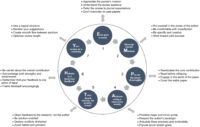 Constructive Peer Review Made Practical: A Guide to the EMPATHY Framework10 February 2025An interesting Editorial from Chief Editor of Journal of Marketing which introduces seven stages of constructive feedback, captured by the mnemonic EMPATHY.
